
Part 2
Introduction: Why History Matters
To understand antisemitism today, we must recognize its long and complex past.
Antisemitism is not new — it has been reshaped in different eras.
Myths and stereotypes built over centuries laid the groundwork for modern hate.
History shows how dangerous unchecked prejudice can become.
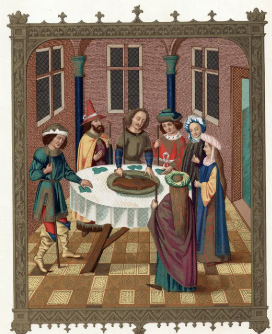
Ancient Roots (3rd century BCE – 4th century CE)
Antisemitism began not in Christianity, but earlier, in the ancient pagan world.
Hellenistic Period (3rd–1st centuries BCE): In places like Alexandria, Jewish communities were resented for maintaining distinct religious practices (Sabbath rest, dietary laws, rejection of Greek gods). Greek writers sometimes accused Jews of being unsociable or misanthropic.
Roman Empire (1st–4th centuries CE):
Jews resisted assimilation and refused emperor worship. This made them appear disloyal to Rome.
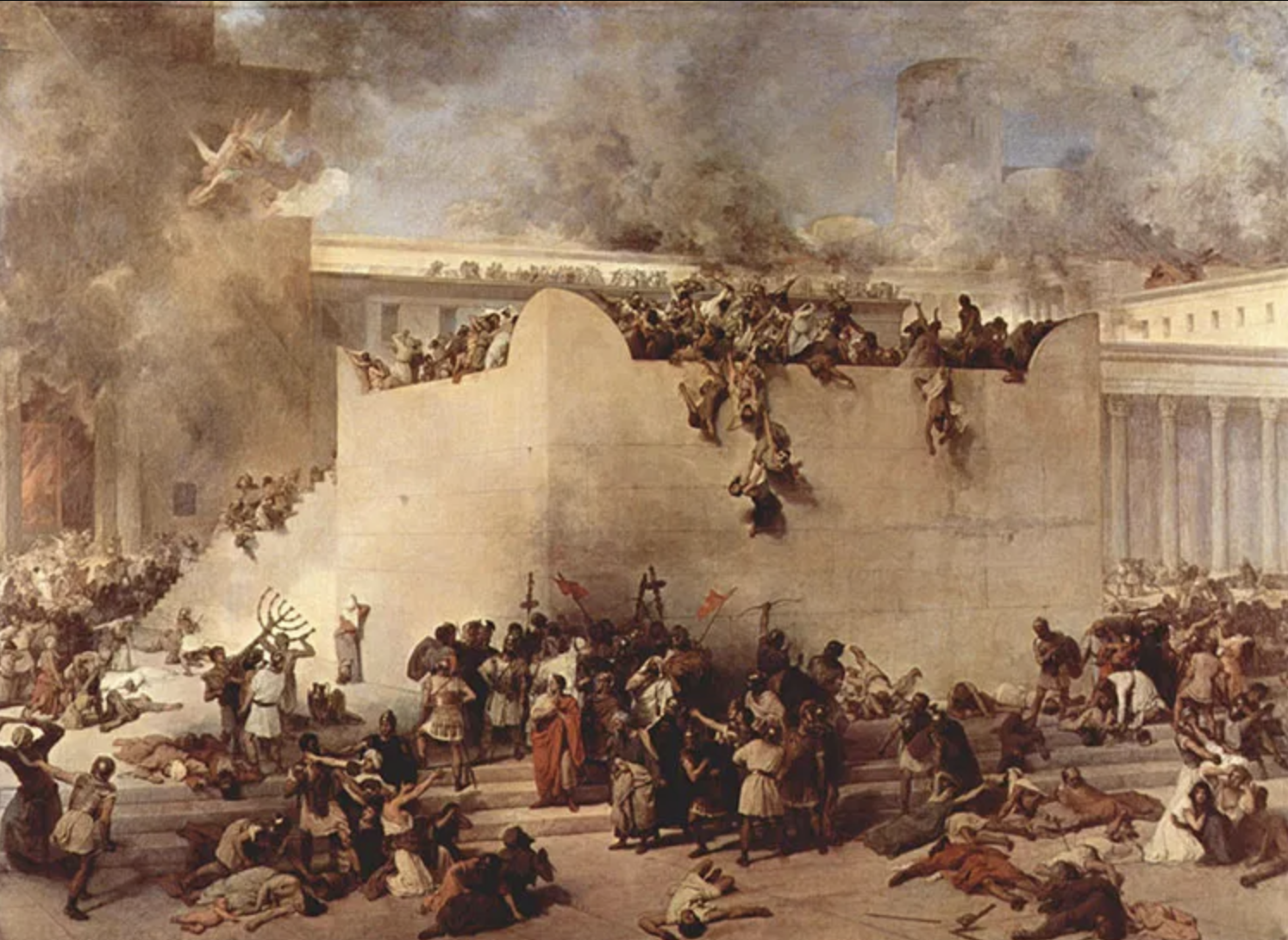
After the Jewish revolts (66–70 CE, 132–135 CE), Rome destroyed Jerusalem, exiled many Jews, and spread imagery of Jews as rebels.
Roman writers portrayed Jews as lazy (because of Sabbath rest) or arrogant (for believing in one God).
Key Date: 70 CE — Destruction of the Second Temple in Jerusalem.
Key Date: 135 CE — Bar Kokhba revolt crushed; Jews banned from Jerusalem.
Medieval Christian Europe (5th – 15th centuries)
As Christianity spread, antisemitism took on a strongly religious form.
Theological Accusations:
Jews were branded “Christ-killers” (deicide).
The Church taught that Jews were rejected by God, destined to wander in suffering.
Violence and Exclusion:
First Crusade (1096): Crusaders massacred entire Jewish communities in the Rhineland (Worms, Mainz, Speyer).
Jews were forced into restricted occupations (moneylending, trade). This later fed stereotypes about greed.
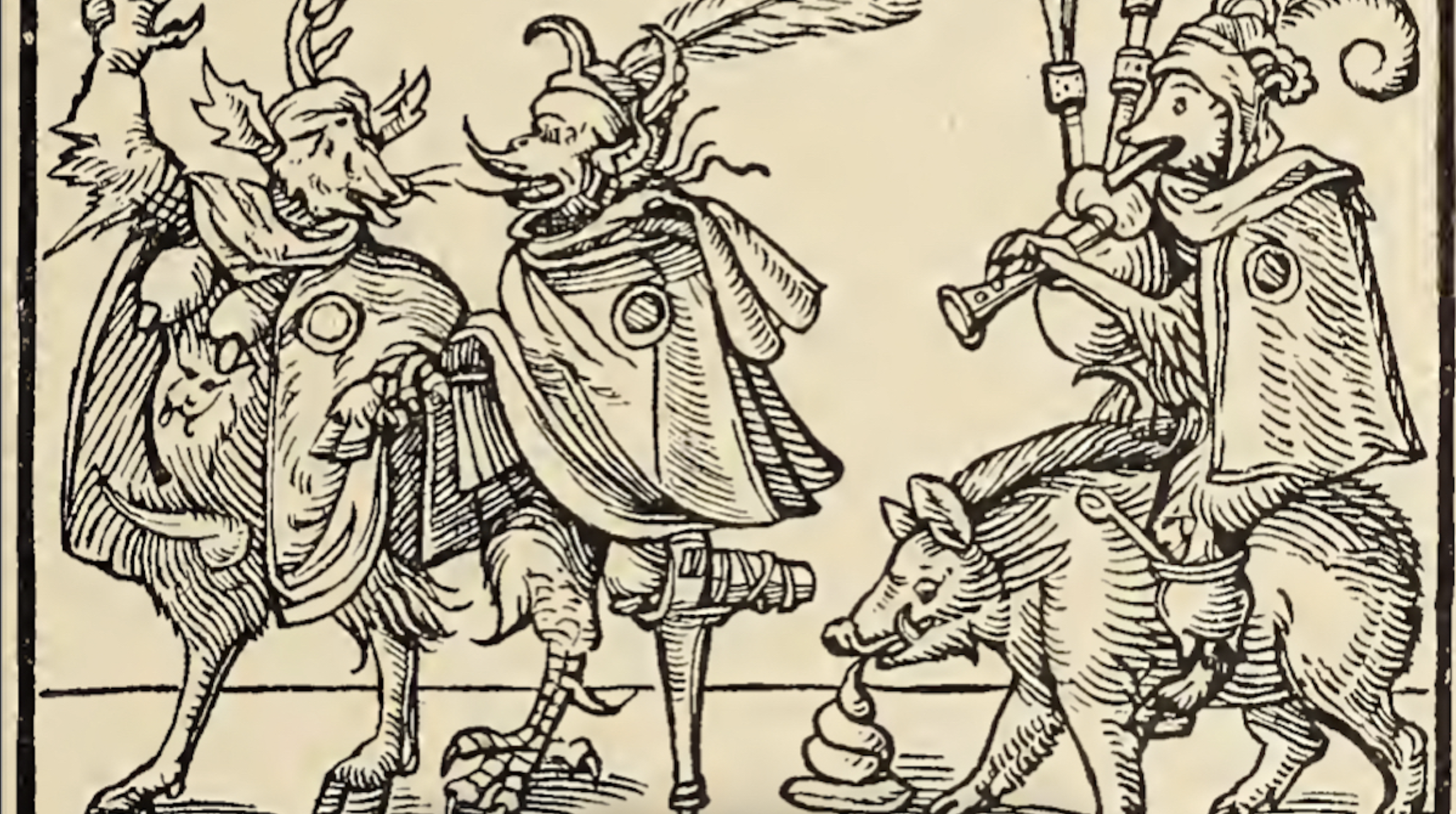
Blood Libel (from 1144, Norwich, England): The false charge that Jews murdered Christian children for ritual purposes.
Host Desecration Myths (13th century): Accusations that Jews desecrated the consecrated bread used in Christian mass.
Crisis Scapegoating:
During the Black Death (1347–1351), Jews were accused of poisoning wells. Pogroms spread across Germany, France, and Spain.
Expulsions:
England (1290), France (1306, 1394), Spain (1492), Portugal (1497).
Many expelled Jews fled to the Ottoman Empire, Poland, and other relatively tolerant regions.
Early Modern Period (16th – 18th centuries)
The Renaissance and Reformation brought both new opportunities and new restrictions for Jews.
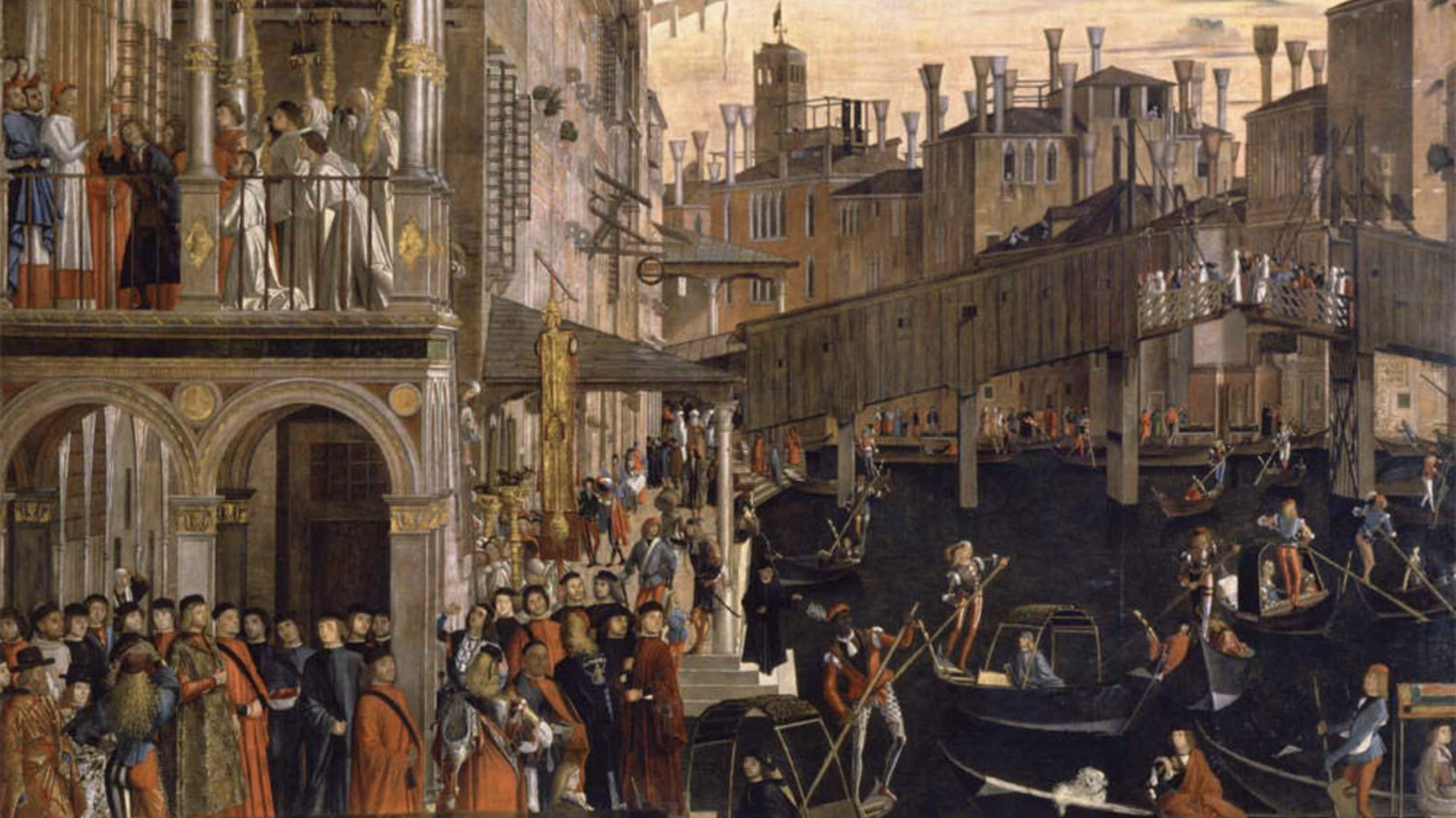
Ghettos: Venice (1516) created the first legally enforced ghetto. Jews were locked in at night and forced to wear distinctive clothing. The term “ghetto” spread to other cities.
Conversions and Inquisition: In Spain and Portugal, Jews who converted to Christianity (conversos) were still suspected of “secret Judaism.” The Spanish Inquisition (1478–1834) investigated and punished thousands.
Massacres in Eastern Europe:
The Chmielnicki massacres (1648–1657) in Ukraine killed tens of thousands of Jews during uprisings against Polish rule.
Persistent Myths: Accusations of ritual murder and well-poisoning resurfaced during outbreaks of plague or famine.
Enlightenment & Modern Antisemitism (18th – 19th centuries)
The Enlightenment promised equality but also sparked new forms of antisemitism.
Emancipation:
France granted Jews full citizenship in 1791 during the Revolution.
Other European states followed in the 19th century, though often reluctantly.
Backlash:
Antisemitism shifted from religious to racial and cultural terms.
Jews were accused of being incapable of assimilating.
Racial Theories:
Pseudoscientists like Wilhelm Marr (who coined the term “antisemitism” in 1879) promoted the idea of Jews as a corrupt, alien race.
Political Antisemitism:
Antisemitic parties gained power in Germany and Austria.
In Russia, pogroms (organized massacres) swept Jewish communities (e.g., 1881–1884).
Cultural Antisemitism:
Myths of Jewish “world domination” spread through texts like The Protocols of the Elders of Zion (a forgery published in 1903, still circulated today).
Key Example: The Dreyfus Affair (1894–1906) in France, where Captain Alfred Dreyfus was falsely convicted of treason, showed how antisemitism thrived even in “modern” societies.
The Holocaust (Shoah) (1933–1945)
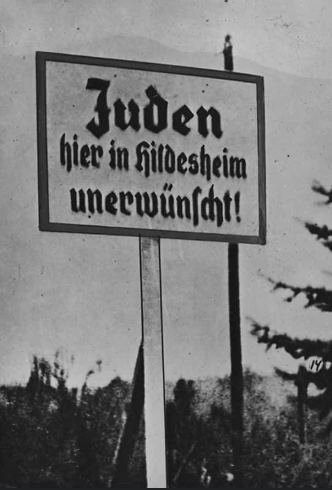
The Holocaust was the culmination of centuries of antisemitism.
Rise of Nazism:
1933: Hitler became Chancellor of Germany; Jews immediately targeted with boycotts and laws.
1935: Nuremberg Laws stripped Jews of citizenship and banned intermarriage.
Escalation:
1938: Kristallnacht (“Night of Broken Glass”) — synagogues burned, Jewish businesses destroyed, 30,000 Jews sent to camps.
Genocide:
1941–1945: Systematic extermination of Jews across Nazi-occupied Europe.
Mass shootings (Einsatzgruppen), ghettos (Warsaw, Łódź), and extermination camps (Auschwitz, Treblinka, Sobibor).
Death Toll: ~6 million Jews murdered, two-thirds of Europe’s Jewish population.
Post-Holocaust & Contemporary Antisemitism (1945 – Today)
Despite the shock of the Holocaust, antisemitism did not end.
Postwar Europe: Many survivors faced hostility when returning home; pogroms occurred in Poland (e.g., Kielce pogrom, 1946).
Soviet Antisemitism: Jews faced quotas, surveillance, and propaganda campaigns until the USSR’s collapse in 1991.
Middle East: After Israel’s founding in 1948, antisemitism often merged with anti-Zionist rhetoric. Many Jews were expelled from Arab countries (Iraq, Egypt, Yemen, Morocco).
Neo-Nazism: Holocaust denial, white supremacist groups, and skinhead movements spread in Europe and the U.S. (1970s onward).
21st Century Trends:
Online antisemitism: memes, coded language (“echoes” symbols like ((( )))).
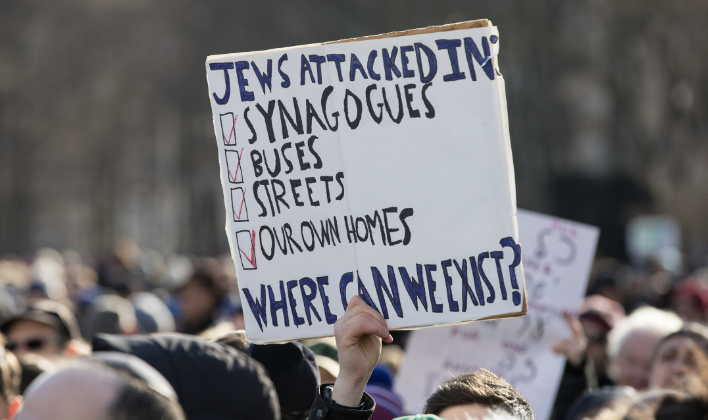
Violent attacks: Pittsburgh synagogue shooting (2018), Halle, Germany (2019), Colleyville, Texas hostage crisis (2022).
Antisemitism in political discourse — often disguised as conspiracy theories about “global elites,” “banks,” or “media control.”
-
Add a short summary or a list of helpful resources here.